


John Keegan – Master of Connection
Introduction: Why John Keegan Still Matters
John Keegan – Master of Connection is not just a phrase—it defines a historian whose work reshaped how the world understands war. For decades, military history was dominated by maps, troop movements, and the decisions of generals. John Keegan changed that. He connected readers to the human dimension of war—the fear, courage, confusion, and leadership that define the battlefield.
Through groundbreaking works and deeply analytical insights, John Keegan – Master of Connection bridged the gap between academic history and human experience. His ability to link strategy with psychology, and leadership with morality, set him apart as one of the most influential historians of the twentieth century.
Early Life and Academic Foundation

John Keegan was born in 1934 in London, England. Educated at Oxford University, he developed a fascination with warfare not from the battlefield, but from deep intellectual curiosity. Unlike many historians of his time, Keegan never served in the military due to health limitations. Yet this outsider perspective gave him a unique lens—he studied war not as a participant, but as a thinker seeking to understand its deeper meaning.
His long tenure at the Royal Military Academy Sandhurst allowed him to teach future military leaders. There, he honed his philosophy: war must be understood through people, not just politics. This belief would later define John Keegan – Master of Connection as a revolutionary voice in military scholarship.
Redefining Military History
From Strategy to Human Experience
Traditional military history focused on generals and governments. John Keegan – Master of Connection shifted attention toward the common soldier. He explored what battle felt like, what men thought as they advanced into gunfire, and how leadership influenced morale.
His seminal work, The Face of Battle, transformed the discipline. Instead of analyzing strategy alone, Keegan examined battles such as Agincourt, Waterloo, and the Somme from the ground level. He described the noise, confusion, exhaustion, and fear—elements previously neglected in scholarly analysis.
By doing so, he connected readers emotionally to historical events. This human-centered approach made John Keegan – Master of Connection a pioneer in modern war studies.
The Psychology of Leadership
The Mask of Command
Another groundbreaking work, The Mask of Command, explored leadership through figures such as Alexander the Great, Wellington, Grant, and Hitler. Keegan examined how leaders project authority and how perception shapes command.
He argued that leadership in war is not simply about tactics—it is about communication, symbolism, and connection. Great leaders inspire loyalty not only through orders, but through presence. This idea reinforced why John Keegan – Master of Connection became synonymous with understanding the human core of authority.
Keegan’s work demonstrated that charisma, discipline, and cultural context define leadership as much as battlefield brilliance.
Bridging Past and Present
Modern Warfare Analysis
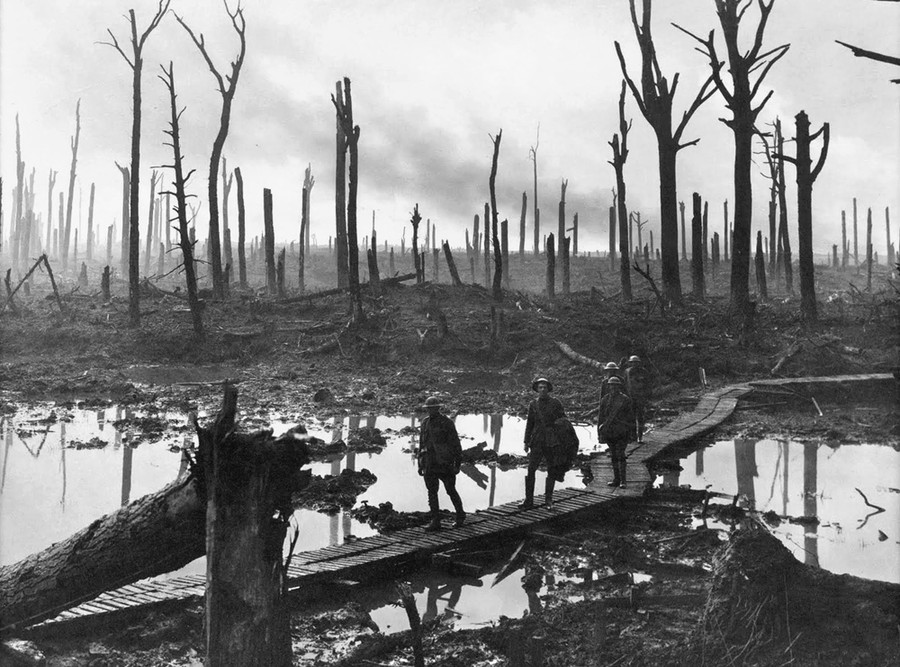


In A History of Warfare, Keegan expanded his perspective. He challenged the idea that war is simply politics by other means—a theory associated with Carl von Clausewitz. Instead, Keegan argued that war is deeply rooted in culture and society.
This cultural approach allowed readers to see connections between ancient tribal conflicts and modern global wars. John Keegan – Master of Connection demonstrated that warfare evolves technologically, but its emotional core remains constant.
By comparing medieval knights to mechanized infantry, he revealed patterns that transcend time. His work helped policymakers, scholars, and military professionals understand the continuity of human behavior in combat.
The Human Dimension of Battle
Fear, Courage, and Survival
What made John Keegan – Master of Connection unique was his focus on the emotional reality of soldiers. He wrote vividly about:
The chaos of close combat
The breakdown of communication
The physical exhaustion of prolonged fighting
The psychological burden carried long after battle
Instead of glorifying war, Keegan presented it honestly. His descriptions were neither romantic nor cynical—they were deeply human.
By doing this, he connected readers not only to events but to empathy. He forced audiences to confront the cost of conflict in personal terms.
Influence on Military Education
Keegan’s influence extended beyond publishing. His teachings at Sandhurst shaped generations of officers. His writings are studied in military academies worldwide.
Strategists, historians, and even journalists adopted his approach: always ask what the individuals experienced. Always consider morale, perception, and human limitation.
John Keegan – Master of Connection built a bridge between academic scholarship and practical military thinking. His work proved that understanding war requires understanding people.
Literary Excellence and Accessibility
Writing for Scholars and the Public
One of Keegan’s greatest strengths was clarity. Complex strategies and historical events were explained in accessible language. He avoided jargon while maintaining intellectual depth.
This ability to communicate broadly strengthened the legacy of John Keegan – Master of Connection. His books were not confined to universities; they reached global audiences.
He combined:
Academic rigor
Narrative storytelling
Psychological insight
Strategic analysis
Few historians balanced these elements so effectively.
Challenging Traditional Narratives
Keegan often questioned accepted wisdom. His disagreement with Clausewitz sparked debate among scholars. While Clausewitz saw war primarily as a political tool, Keegan viewed it as a cultural phenomenon shaped by tradition and social identity.
This willingness to challenge orthodoxy further established John Keegan – Master of Connection as an independent thinker. He encouraged readers to reconsider assumptions and explore warfare from multiple angles.
Global Impact and Recognition
Throughout his career, Keegan received numerous honors, including a knighthood in 2000 for services to military history. His commentary in major publications broadened public understanding of contemporary conflicts.
His insights were sought during modern wars because he could contextualize current events within centuries of historical patterns. John Keegan – Master of Connection remained relevant in an age of digital warfare because human psychology had not changed.
Enduring Legacy

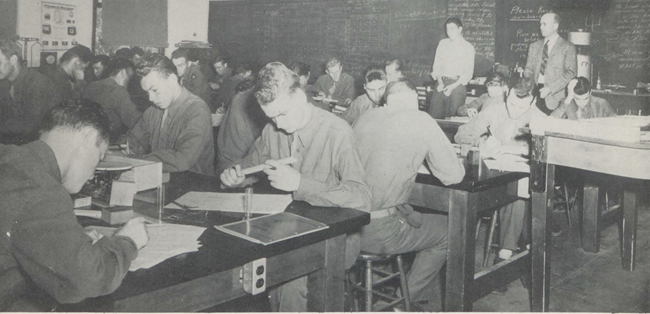
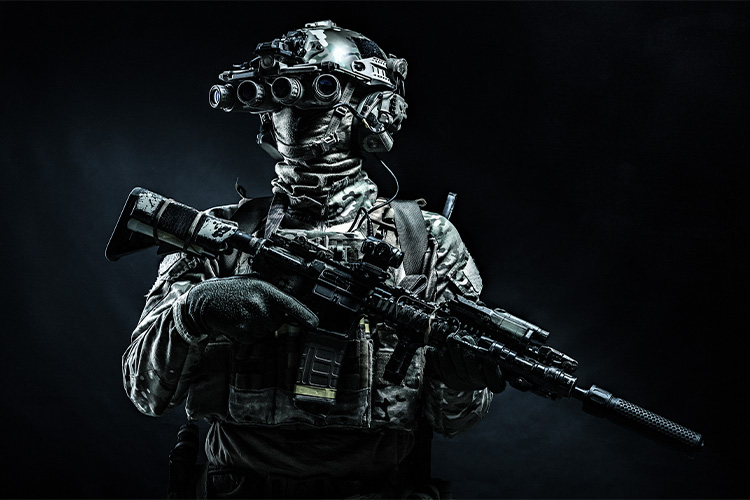
The legacy of John Keegan – Master of Connection lies in transformation. Before him, military history often felt distant and impersonal. After him, it became intimate and immediate.
His contributions include:
Humanizing battlefield analysis
Redefining leadership studies
Bridging academic and public discourse
Challenging strategic orthodoxy
Making military history emotionally resonant
Today, scholars continue to build upon his framework. Writers explore soldier psychology, trauma, and leadership symbolism—fields he helped popularize.
Why John Keegan – Master of Connection Stands Above Others
Many historians document war. Few interpret its soul.
John Keegan – Master of Connection stands apart because he understood that history is not only about events—it is about experience. He revealed that war is fought not by abstractions, but by individuals shaped by culture, fear, loyalty, and belief.
His scholarship teaches us that connection is the key to comprehension. To understand war, we must connect with those who lived it.
Conclusion: The Timeless Relevance of John Keegan
The world continues to witness conflict. Technology evolves, strategies adapt, and geopolitics shift. Yet the core of war remains deeply human.
That is why John Keegan – Master of Connection continues to matter. His work reminds us that behind every battle plan stands a person; behind every command, a relationship; behind every victory or defeat, a human story.
In redefining military history, he redefined how we see ourselves in times of conflict. His legacy endures not only in libraries and academies, but in the way we think about leadership, courage, and the cost of war.
John Keegan – Master of Connection remains, without doubt, one of the most influential voices in understanding warfare’s human face.