Compositing with Fusion by Casey Faris – DaVinci Resolve
$49.00 Original price was: $49.00.$22.00Current price is: $22.00.

Compositing with Fusion by Casey Faris – DaVinci Resolve
Video editing and visual effects have evolved dramatically in recent years. Modern filmmakers, YouTubers, and content creators are no longer limited to simple edits. Today, advanced compositing techniques allow creators to produce Hollywood-style visual effects using powerful tools like DaVinci Resolve Fusion.
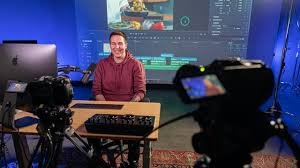
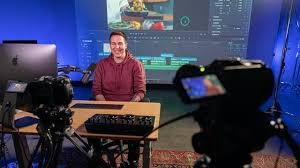
One of the most comprehensive resources for mastering this workflow is Compositing with Fusion by Casey Faris – DaVinci Resolve. This course focuses on helping editors and VFX artists understand node-based compositing and create professional visual effects directly inside DaVinci Resolve.
Whether you are a beginner editor or an experienced filmmaker, learning Fusion compositing can significantly elevate your production quality. This guide explains everything about the course, including its features, learning structure, and why it has become popular among creators.
What is Fusion in DaVinci Resolve?
Fusion is the node-based visual effects and compositing environment built inside DaVinci Resolve. Unlike traditional layer-based software, Fusion uses nodes that allow editors to create complex visual effects pipelines.
Fusion is used in many professional productions including films, television shows, and advertisements.
Key capabilities of Fusion include:
Advanced compositing
Motion graphics
3D visual effects
Green screen keying
Particle simulations
Camera tracking
Rotoscoping
Learning Fusion can dramatically expand what you can achieve in post-production.
However, many beginners find node-based systems confusing at first. This is exactly where structured training like the course created by Casey Faris becomes extremely valuable.
Who is Casey Faris?
Casey Faris is a well-known educator and DaVinci Resolve expert who has built a strong reputation through his tutorials and training programs. His teaching style focuses on simplifying complex visual effects concepts and making them accessible for creators.
Over the years, he has helped thousands of editors understand Fusion through step-by-step lessons and practical demonstrations.
His educational approach focuses on:
Clear explanations
Real-world examples
Beginner-friendly learning
Practical workflows used in professional editing
Because of this approach, his training programs are widely appreciated by editors who want to move beyond basic editing into advanced compositing.
Why Learn Fusion Compositing?
Most editors rely only on the editing timeline in DaVinci Resolve. While this works for basic projects, professional productions often require advanced compositing techniques.
Fusion enables editors to:
Create Advanced Visual Effects
You can design cinematic effects like explosions, holograms, screen replacements, and particle simulations.
Work with Green Screen Footage
Fusion includes powerful chroma key tools for creating realistic composites.
Track Objects in Video
Motion tracking and planar tracking allow graphics to stick perfectly to moving objects.
Integrate 3D Elements
Editors can combine 3D objects with live footage to create cinematic scenes.
Build Complex VFX Pipelines
Node-based workflows make it easier to manage complicated effects structures.
Learning these skills allows creators to produce high-quality content that stands out in today’s competitive video industry.
Course Overview
Compositing with Fusion by Casey Faris – DaVinci Resolve is designed to help users understand Fusion from the ground up.
The course covers both theoretical concepts and hands-on techniques required for professional compositing.
Students learn how to navigate Fusion, build node structures, and create visual effects from scratch.
The training focuses on real projects instead of abstract explanations, which helps learners immediately apply what they learn.
What You Will Learn
The course teaches a wide variety of compositing skills that are essential for modern video production.
Fusion Interface and Workflow
Students start by understanding the Fusion workspace, including node graphs, viewers, and tool panels.
Node-Based Compositing Fundamentals
One of the most important topics is understanding how nodes work and how they interact with each other.
Masking and Rotoscoping
Masking techniques allow editors to isolate specific parts of footage. Rotoscoping is used when objects need to be separated frame by frame.
Motion Tracking
Tracking tools help attach graphics, text, or visual effects to moving elements in footage.
Green Screen Compositing
The course teaches how to remove backgrounds and blend subjects into new environments.
Color Matching and Integration
Proper color grading and blending ensure that visual effects look realistic within the scene.
Particle Effects
Fusion includes powerful particle tools used for smoke, fire, sparks, and other dynamic effects.
3D Compositing
Users also learn how to incorporate 3D elements into their projects.
Key Features of the Course
This training program stands out because of its structured approach and practical lessons.
Beginner-Friendly Structure
Even if you have never used Fusion before, the course explains everything step-by-step.
Practical Examples
Instead of focusing only on theory, the lessons demonstrate real visual effects workflows.
Industry Techniques
The training includes workflows that professionals use in film and video production.
Project-Based Learning
Students work on real compositing projects that reinforce the concepts taught in the course.
Efficient Learning Path
The curriculum is designed to gradually increase in complexity, ensuring that learners never feel overwhelmed.
Who Should Take This Course?
This course is useful for many types of creators and professionals.
Video Editors
Editors who want to add advanced visual effects to their projects.
Filmmakers
Independent filmmakers who want cinematic effects without relying on expensive software.
YouTubers and Content Creators
Creators who want their videos to look more professional and visually engaging.
Motion Graphics Artists
Designers interested in learning node-based compositing workflows.
Beginners in VFX
Anyone starting their journey in visual effects and compositing.
Benefits of Learning Fusion in DaVinci Resolve
Learning Fusion inside DaVinci Resolve offers several advantages compared to traditional VFX pipelines.
All-in-One Software
Editing, color grading, audio, and visual effects exist inside one program.
No Need for Multiple Applications
Fusion eliminates the need to switch between editing software and external compositing tools.
Professional-Grade Features
Despite being integrated into Resolve, Fusion includes powerful industry tools.
Cost-Effective Solution
DaVinci Resolve offers many professional features without expensive subscription costs.
How Fusion Improves Video Production
Visual effects and compositing can dramatically transform a simple video into a cinematic production.
With the right skills, editors can:
Replace backgrounds
Add animated graphics
Create cinematic titles
Simulate realistic environments
Design futuristic interfaces
Produce film-level visual effects
These techniques are widely used in modern filmmaking, advertising, and online content creation.
Real-World Applications
Fusion compositing skills can be applied to many types of projects.
Film Production
Filmmakers use compositing to create scenes that would be impossible to film practically.
Commercial Advertising
Brands often rely on visual effects to produce high-impact promotional videos.
YouTube Content
Creators use motion graphics and visual effects to keep audiences engaged.
Corporate Videos
Businesses use compositing techniques for product demonstrations and promotional materials.
Social Media Content
Short-form content benefits greatly from creative visual effects.
Learning Curve of Fusion
Fusion has a reputation for being complex because of its node-based system. However, once you understand the workflow, it becomes extremely powerful.
A structured course helps reduce the learning curve by explaining:
Node connections
Data flow between nodes
Efficient compositing structures
Troubleshooting techniques
Once these concepts are mastered, creating complex effects becomes much easier.
Why Structured Training is Important
Many beginners try to learn Fusion through random tutorials. While this can help, it often leads to confusion because there is no clear progression.
A well-structured training program provides:
Organized lessons
Logical progression
Practical exercises
Complete workflow understanding
This approach ensures that students develop strong compositing skills instead of learning isolated tricks.
Final Thoughts
Compositing with Fusion by Casey Faris – DaVinci Resolve is an excellent learning resource for anyone interested in mastering visual effects within DaVinci Resolve.
The course simplifies complex compositing techniques and presents them in a structured, beginner-friendly format. By focusing on real projects and practical workflows, it allows students to quickly develop professional-level skills.
For editors who want to go beyond basic cuts and transitions, learning Fusion compositing opens the door to an entirely new level of creative possibilities.
With the growing demand for high-quality video content, mastering visual effects tools like Fusion can significantly enhance both creative potential and career opportunities.